Anxiety Relieving Tool for Dementia Patients
Brief and Problem Statement
The design opportunity will be explored through objects of “play” as a distraction and to stimulate senses. The improved considerations from the existing products on the market of producing stimulation among the dementia patients, will be directed towards Dementia patients in care homes, and will hopefully appeal to the patients and be used continuously. The product must:
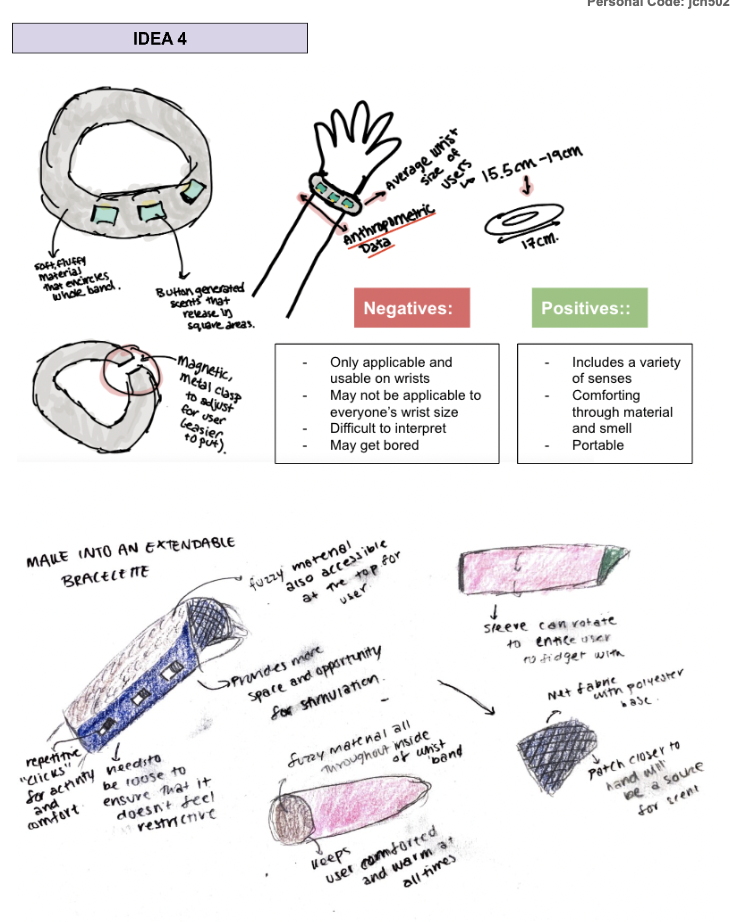
Stimulate parts of the brain and calming
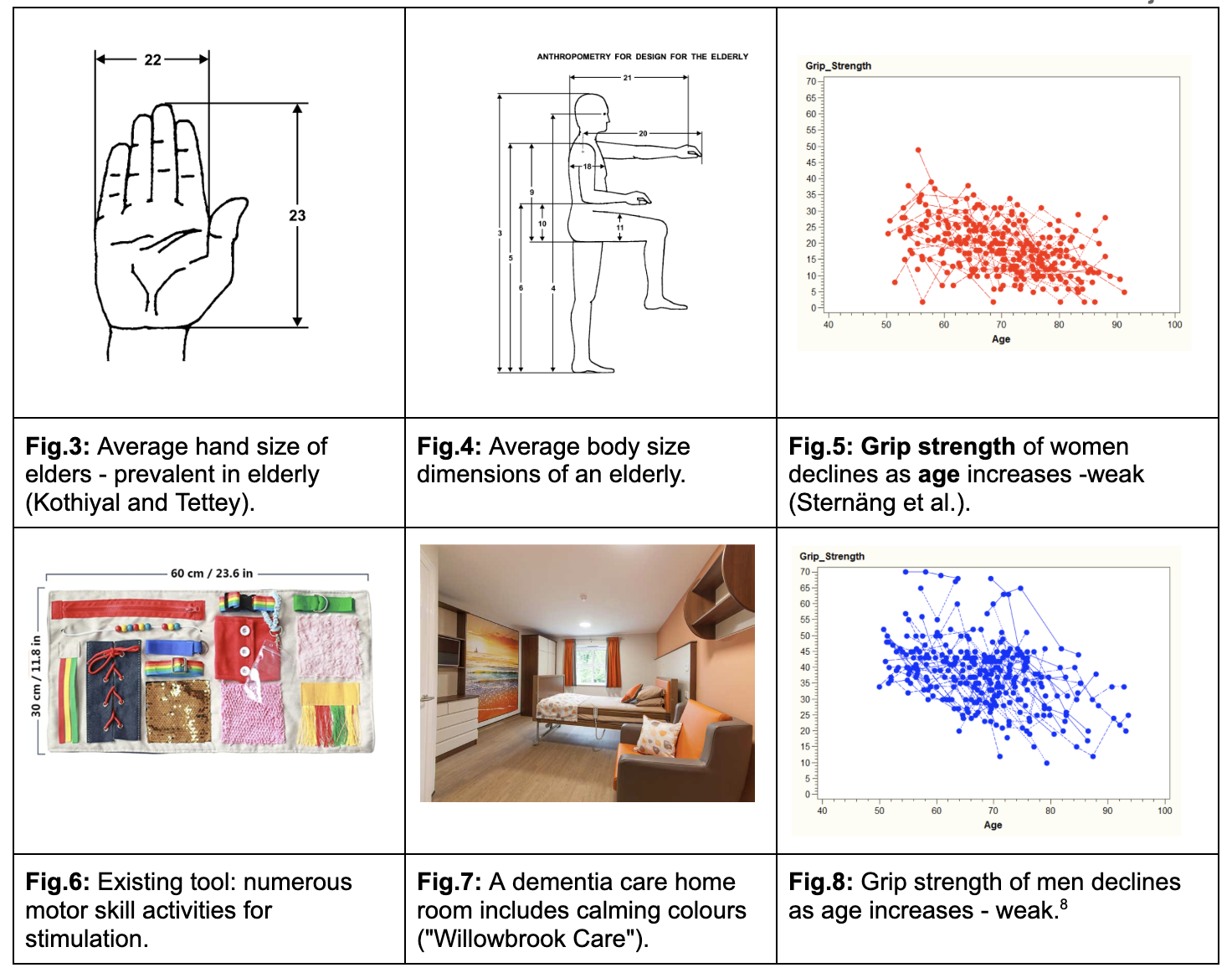
Consider ergonomics factors of the patient's hands - what is the strength (consider torque strength).
Consider parts that could be used in the product due to potential choking hazards (safety).
Be a highly functional prototype that can be tested in a real life situation and be used for evaluation.
Be considered successful if the user is considered to be engaged by the product (by the nurse).
Made from easily accessible manufacturing processes (available via school).
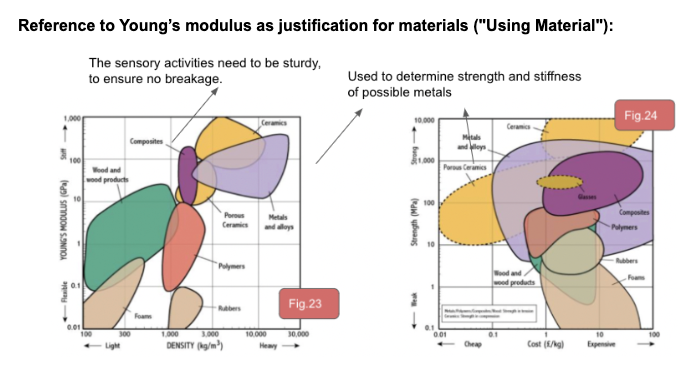
Material selections should consist of textiles, such as fabric and felt
Research
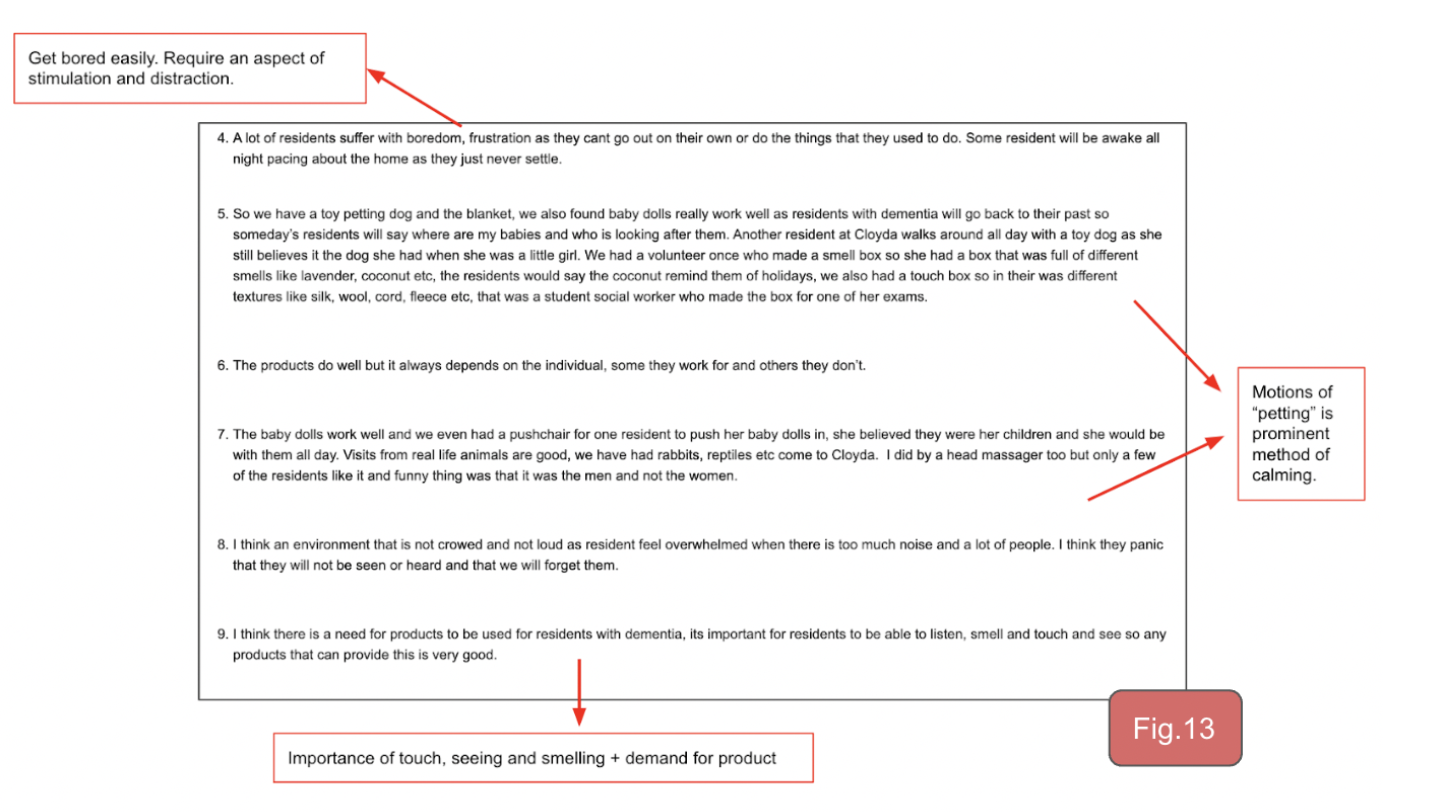
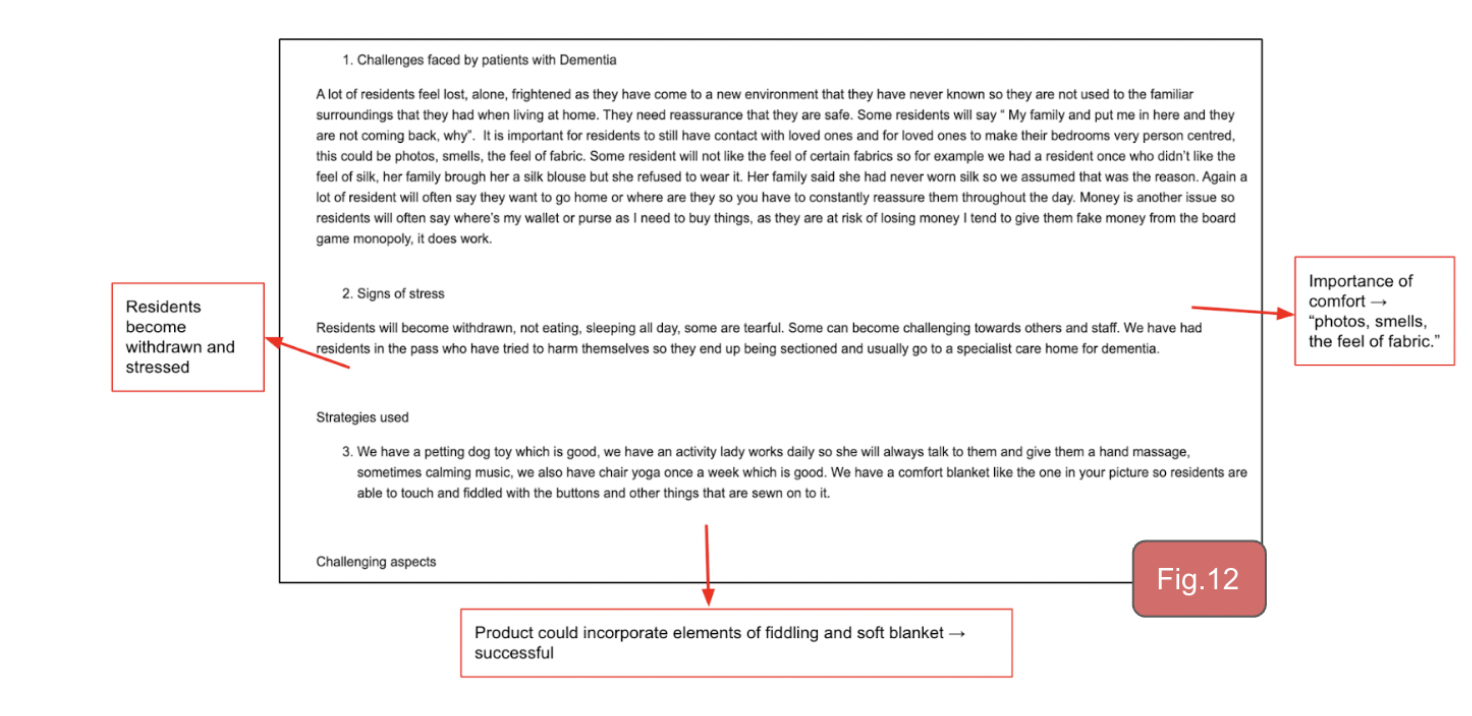
“A lot of residents feel lost, alone, frightened as they have come to a new environment that they have never known; different from the familiar surroundings that they had when living at home. They need reassurance that they are safe
Interview with Dementia caregiver
“Some feelings commonly experienced by carers of people with dementia include distress, frustration, guilt, grief and loss, exhaustion, annoyance and anger”
Interview with Dementia caregiver
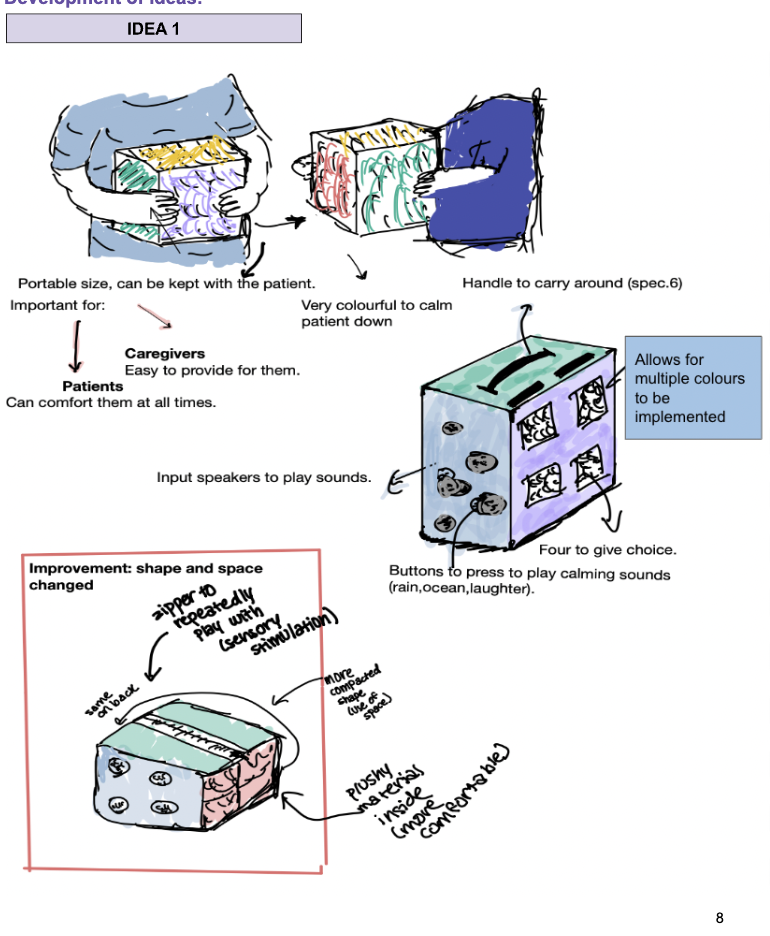
Ideation
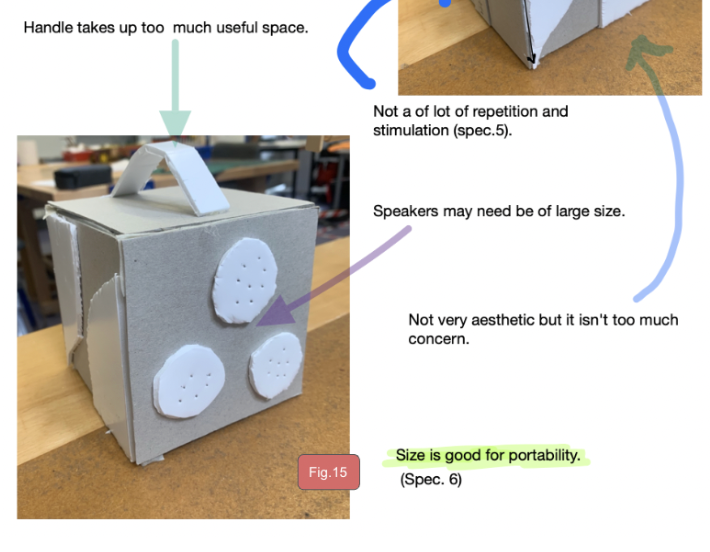
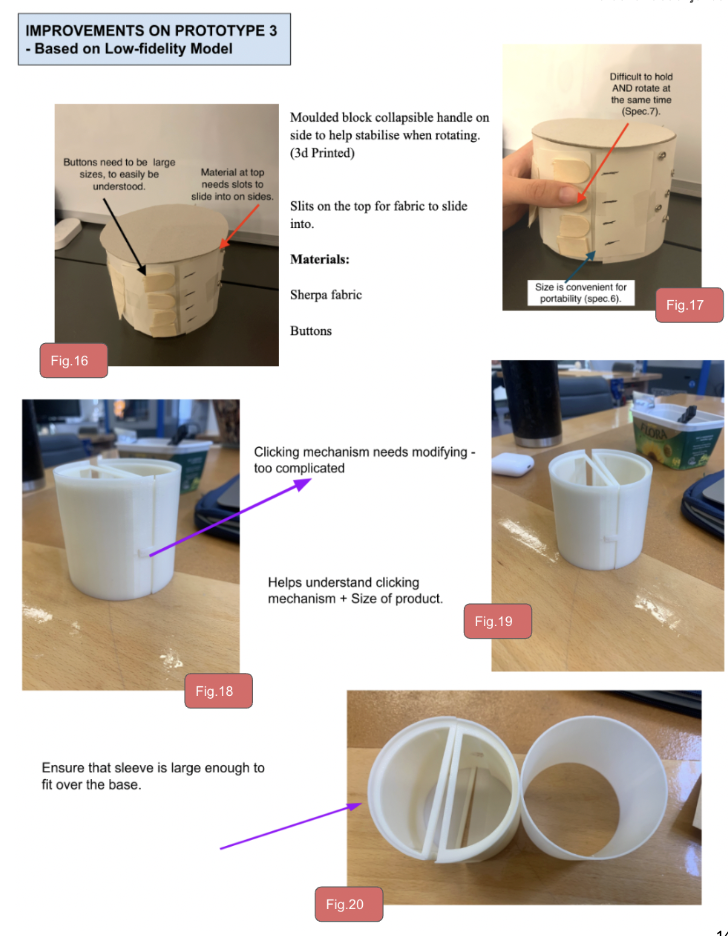
Development - Testing
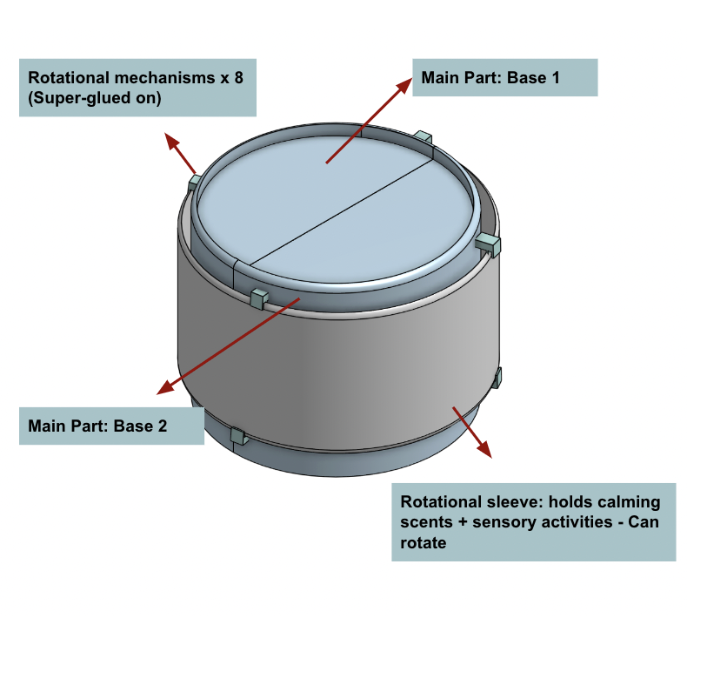
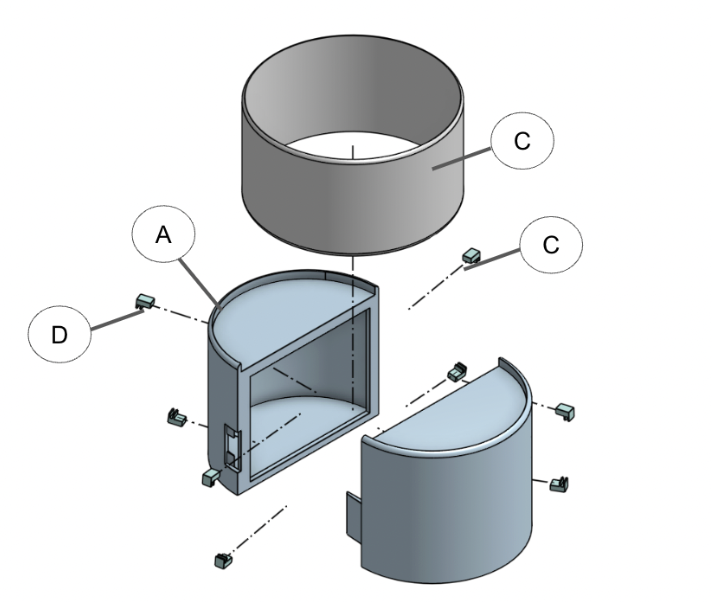
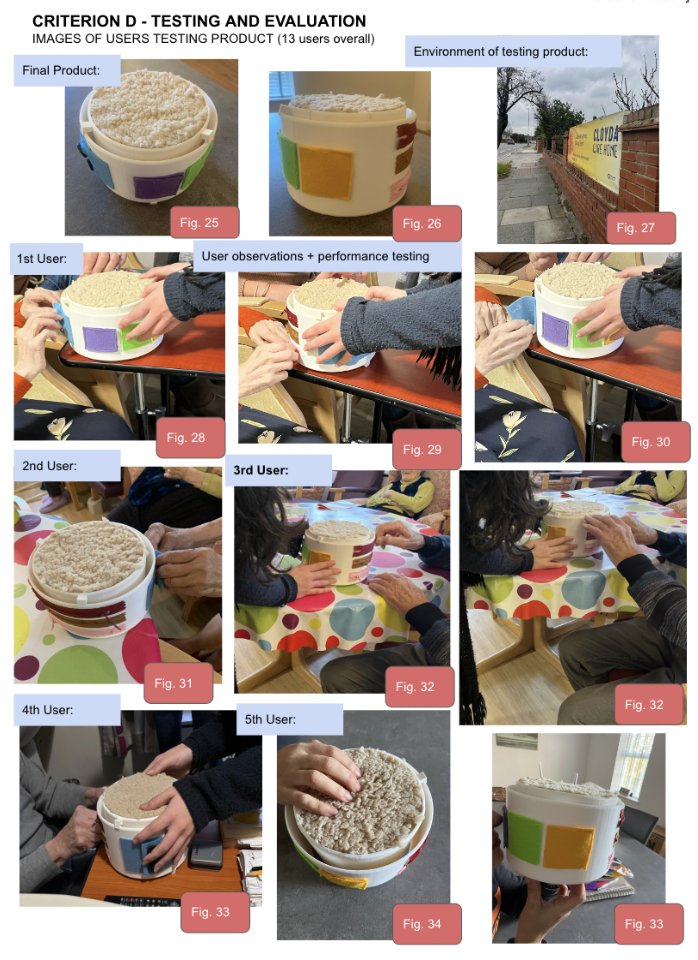
After testing:
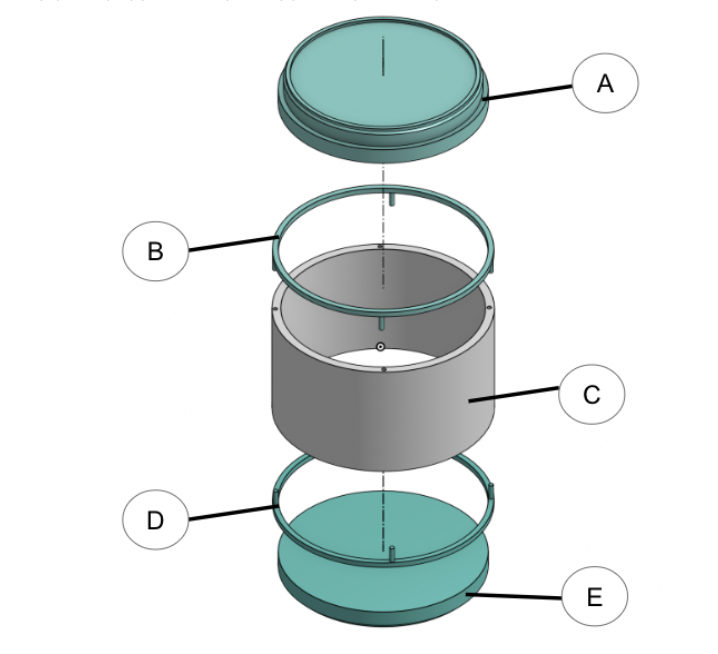
Change the design to a more efficient and simple one
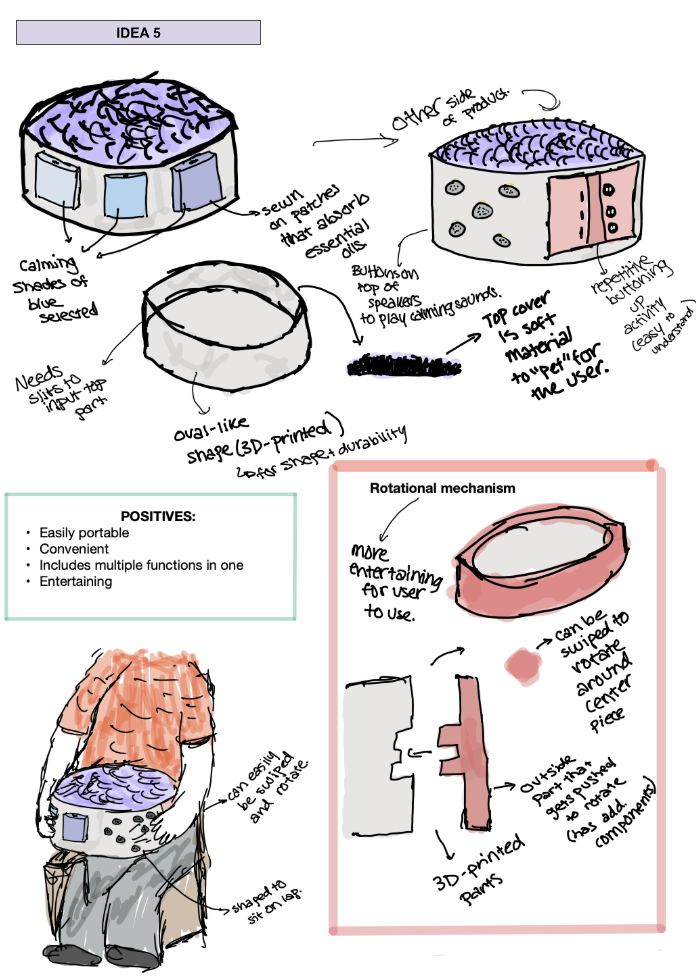
After testing the product with users at the care home it became evident that I needed to improve the product by making the activities slightly easier and more intuitive for the users to complete. As a lot had shaky hands, it became difficult for them to button ip and complete the repetitive zipping up activity without requiring additional help from the carer to hold it for them. Nevertheless, many of users loved the smells, and loved the feels of the sherpa fabric at the top reflected through their action of wanting to continue “petting” it.
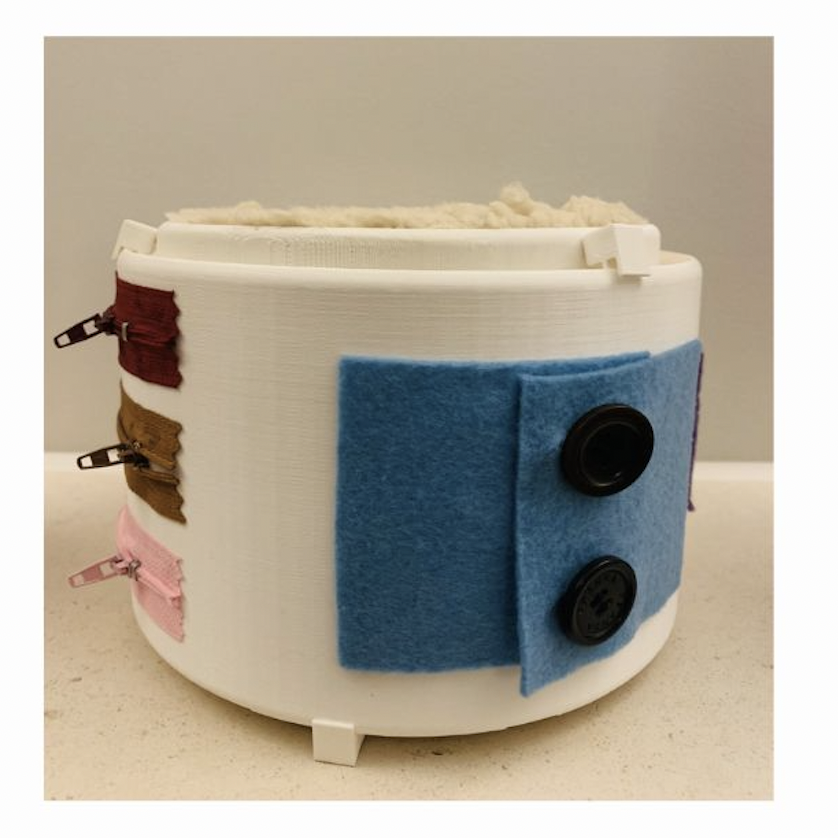
Final Concept
Not a finished product - This was my first self directed project in school, so not with the best experience in CAD, however it is where my interest in User centred design and health in design stemmed from. Where the first hand interaction with the user really intrigued me. Having the opportunity to bring and test my product to a care home for individuals with dementia, and one being a close friend´s mother really opened my eyes to how we as designers can help change peoples´ lives, if we simply just listen to them, and use our abilities to help make a change. It was enlightening and eye opening to see how much such a simple solution made them feel - happy and relieved.
If I had more time...
Develop the iterated concept - with current knowledge of manufacturing processes and efficiency.
Further user testing at dementia centres - follow up with testing
My Key Learnings.
Value of user communication - identifying the pain points
Brand Alignment & Manufacturing
Importance of the Diamond phases in the design process
Discover, Define, Develop, Deliver