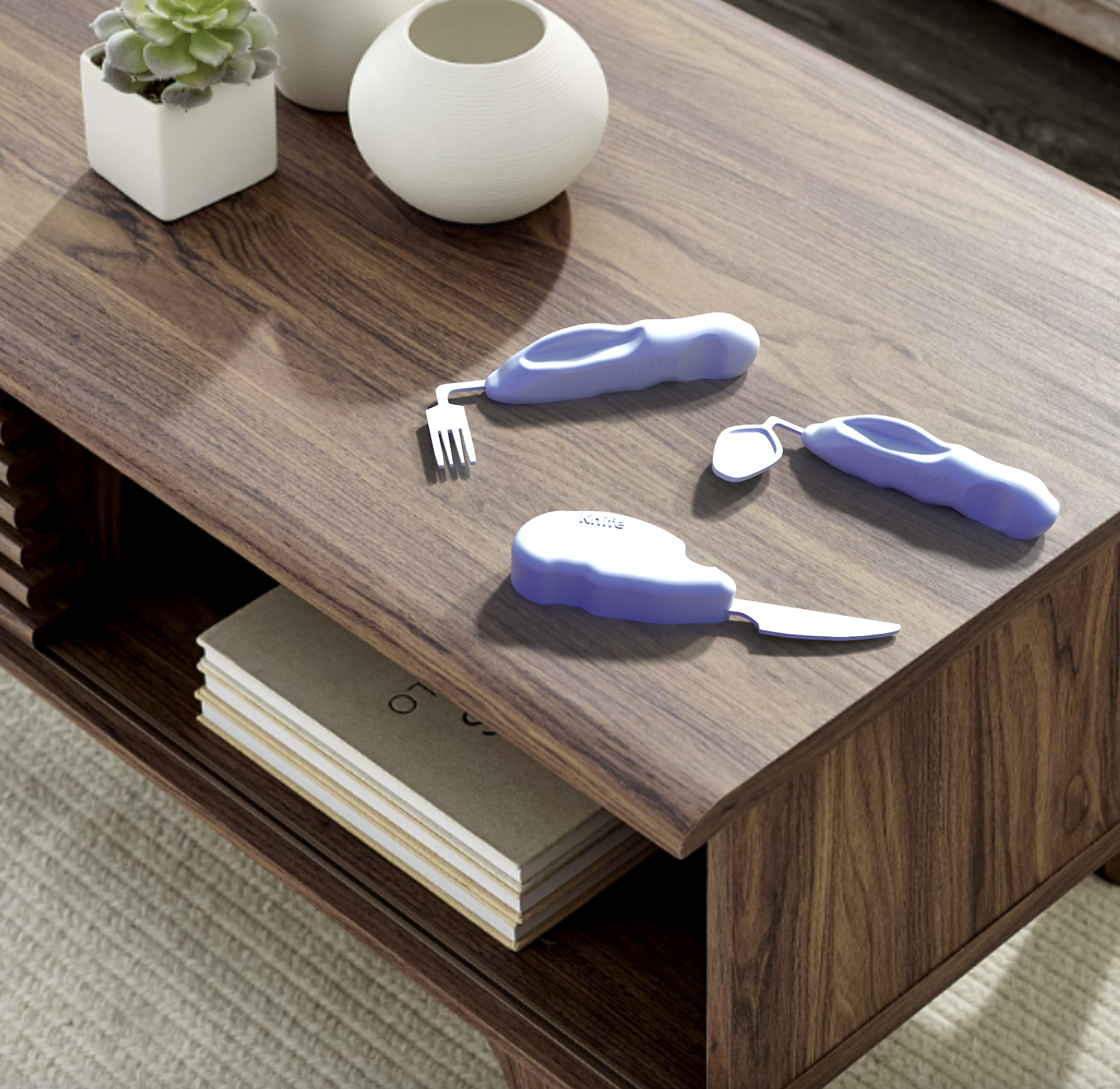
Empathetic Cutlery
About
-
As part of the Human-Centred Design module, the brief was to design an everyday object through a user-led design process. The project required identifying a specific user need, conducting primary research, and developing a solution that improves usability and comfort through thoughtful form, material, and ergonomic considerations.
-
Through personal observation and user research with my grandparent who experiences arthritic pain, it became clear that standard cutlery often exacerbates discomfort during everyday eating tasks. Thin handles, poor grip, and fixed angles require increased force and wrist movement, making a simple daily activity physically demanding and fatiguing.
Key pain points identified:
Reduced grip strength and hand mobility
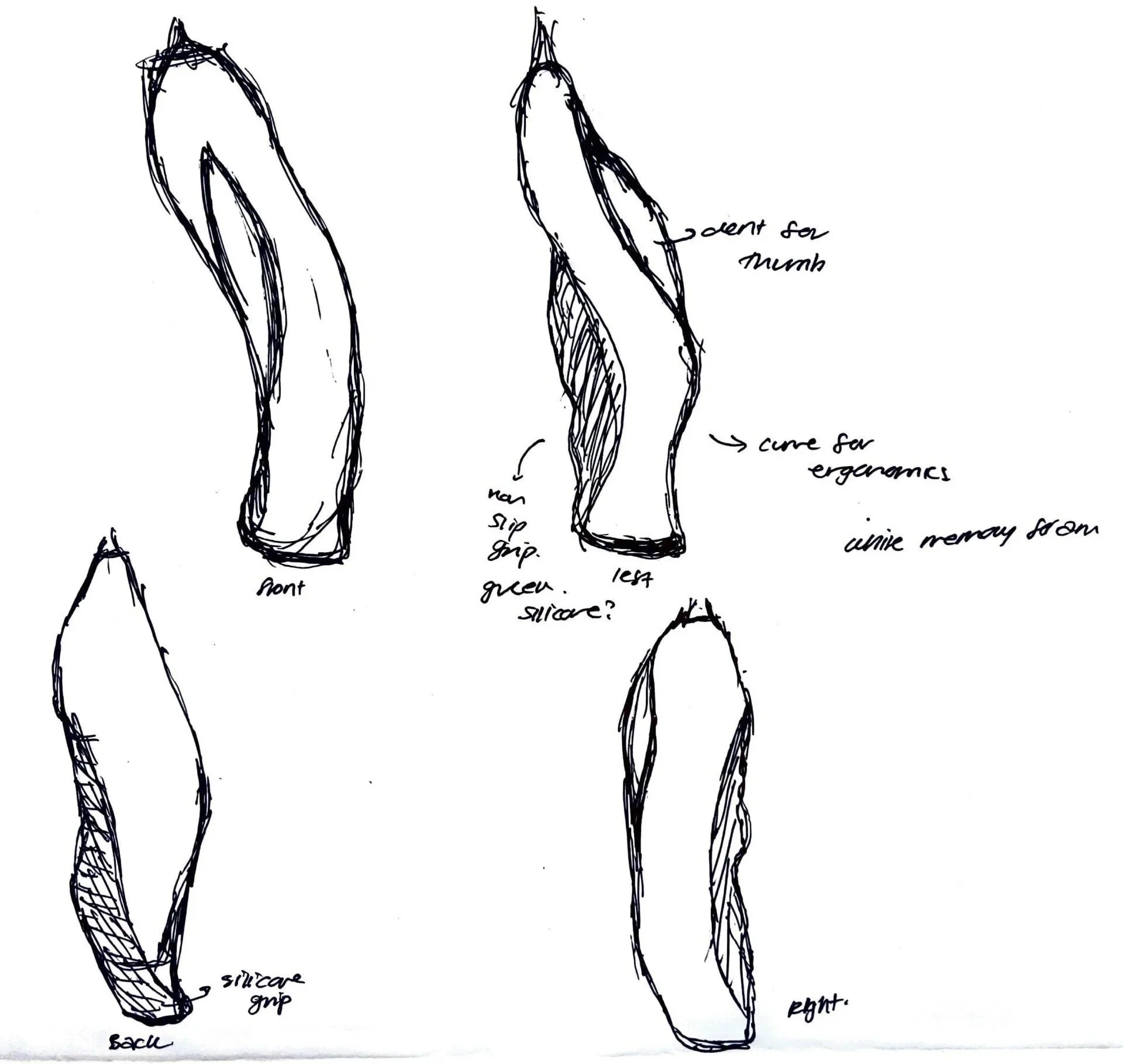
Discomfort caused by narrow, hard handles
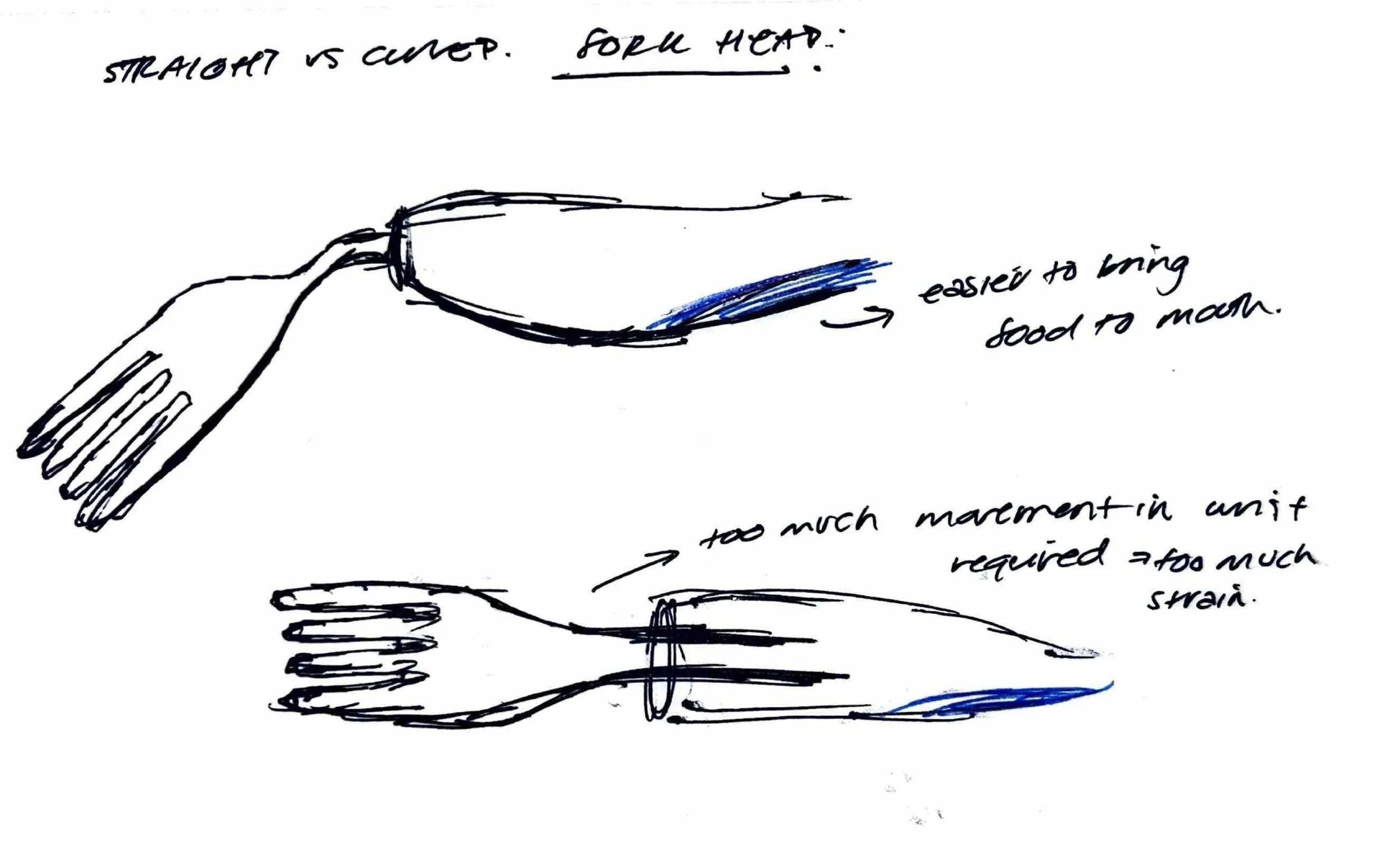
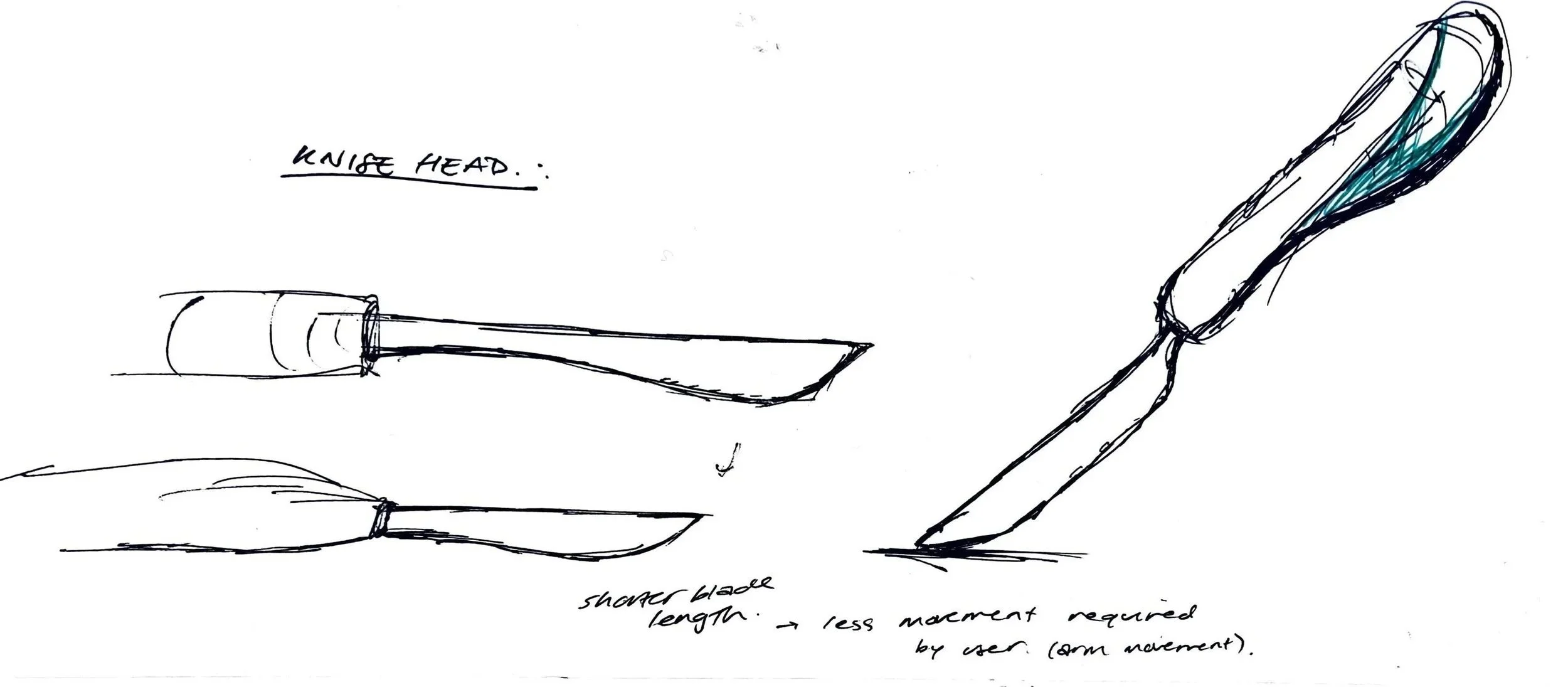
Wrist strain due to inefficient handle angles
Lack of adaptability in conventional cutlery design
This highlighted an opportunity to redesign cutlery that prioritises comfort, control, and ease of interaction for users with arthritis.
The Process
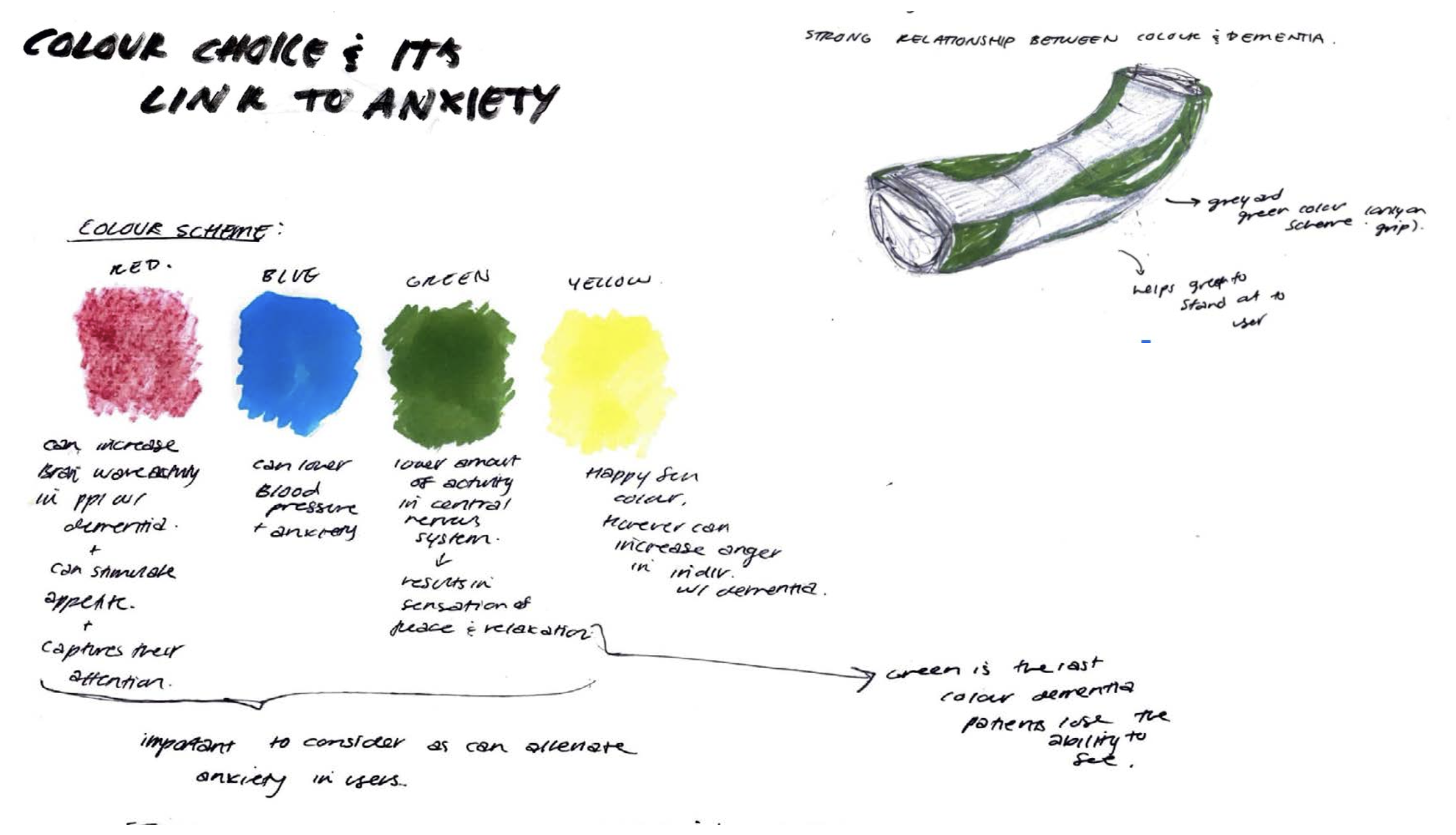
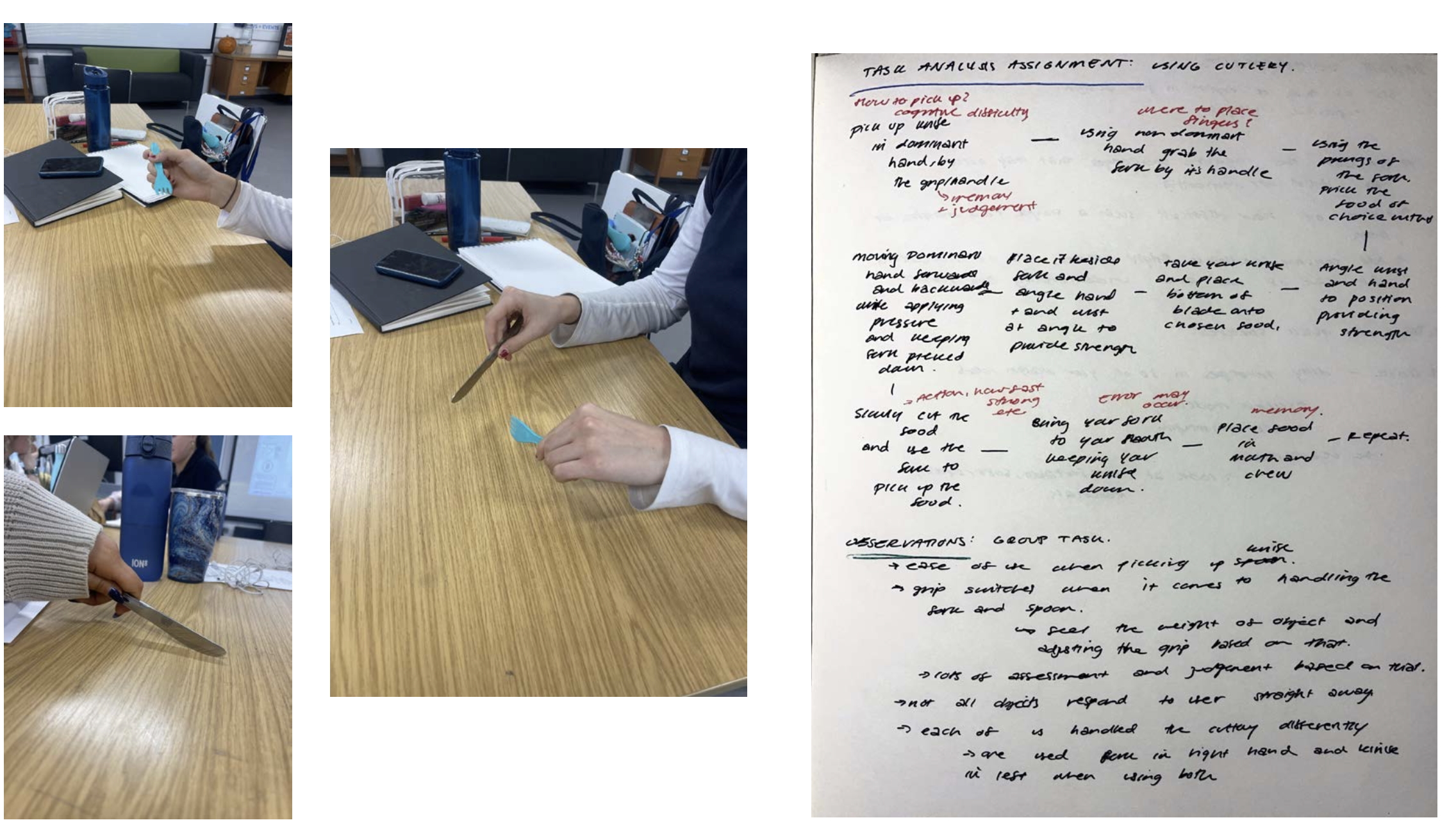
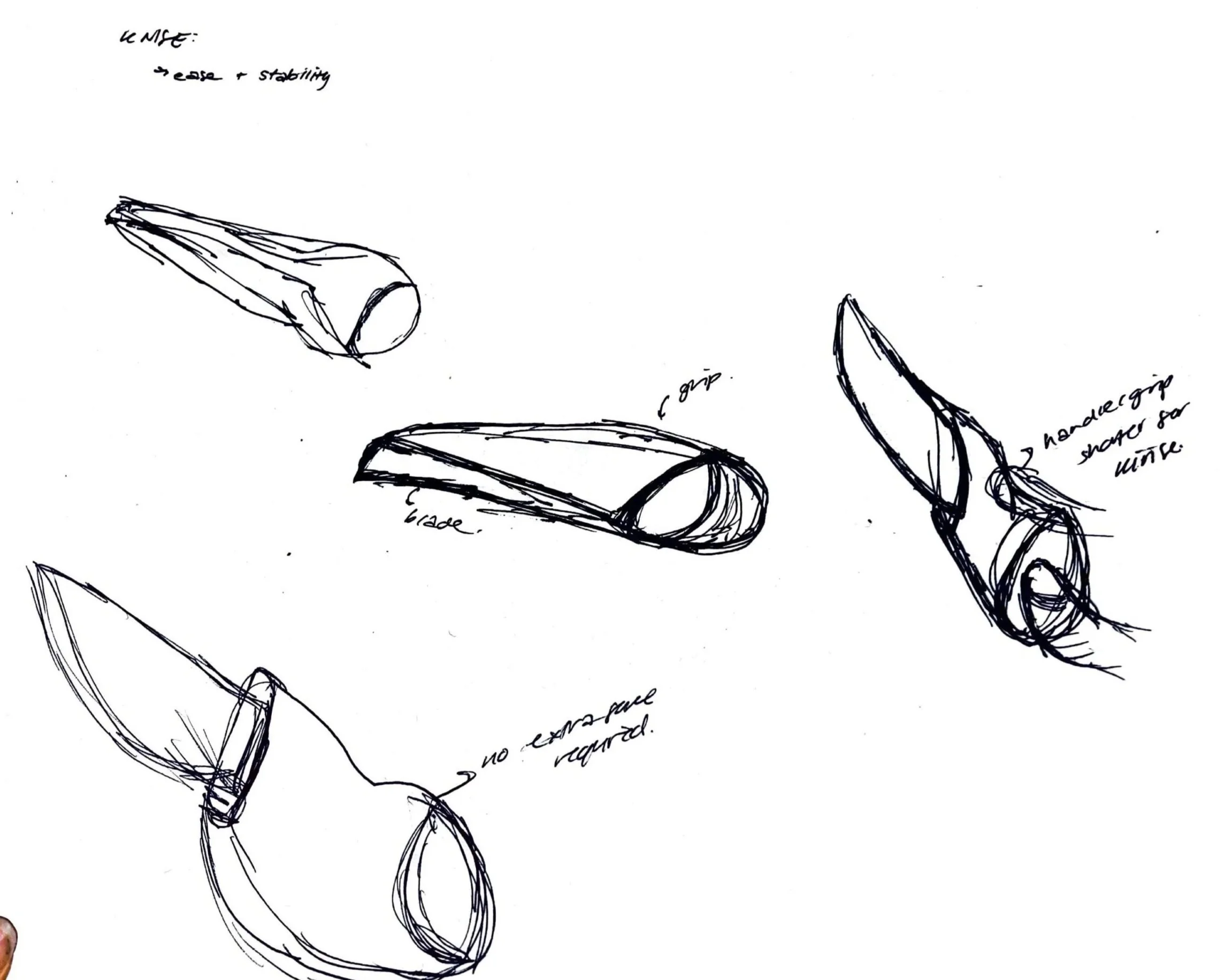
Ideation / Sketching
The Solution:
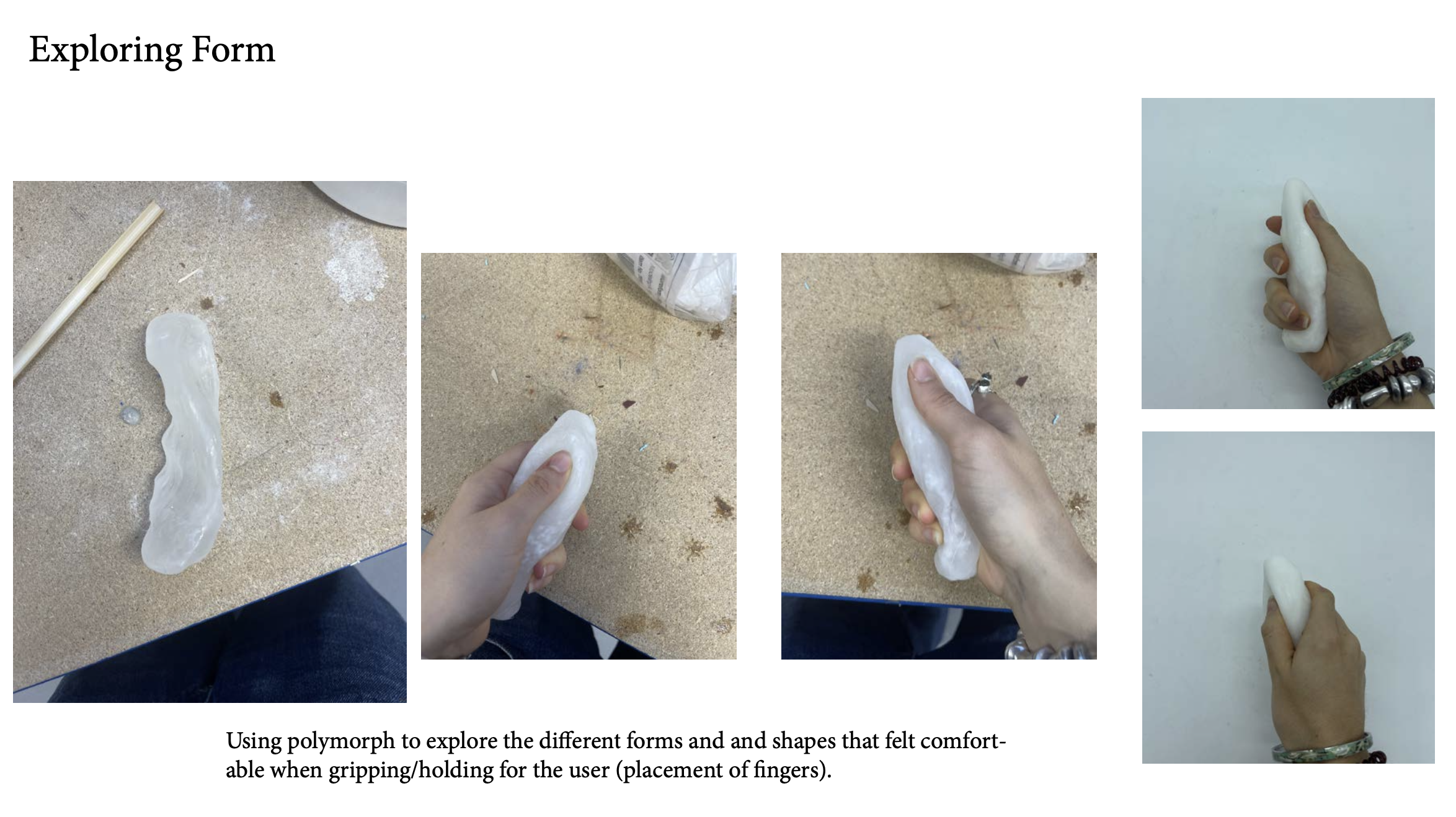
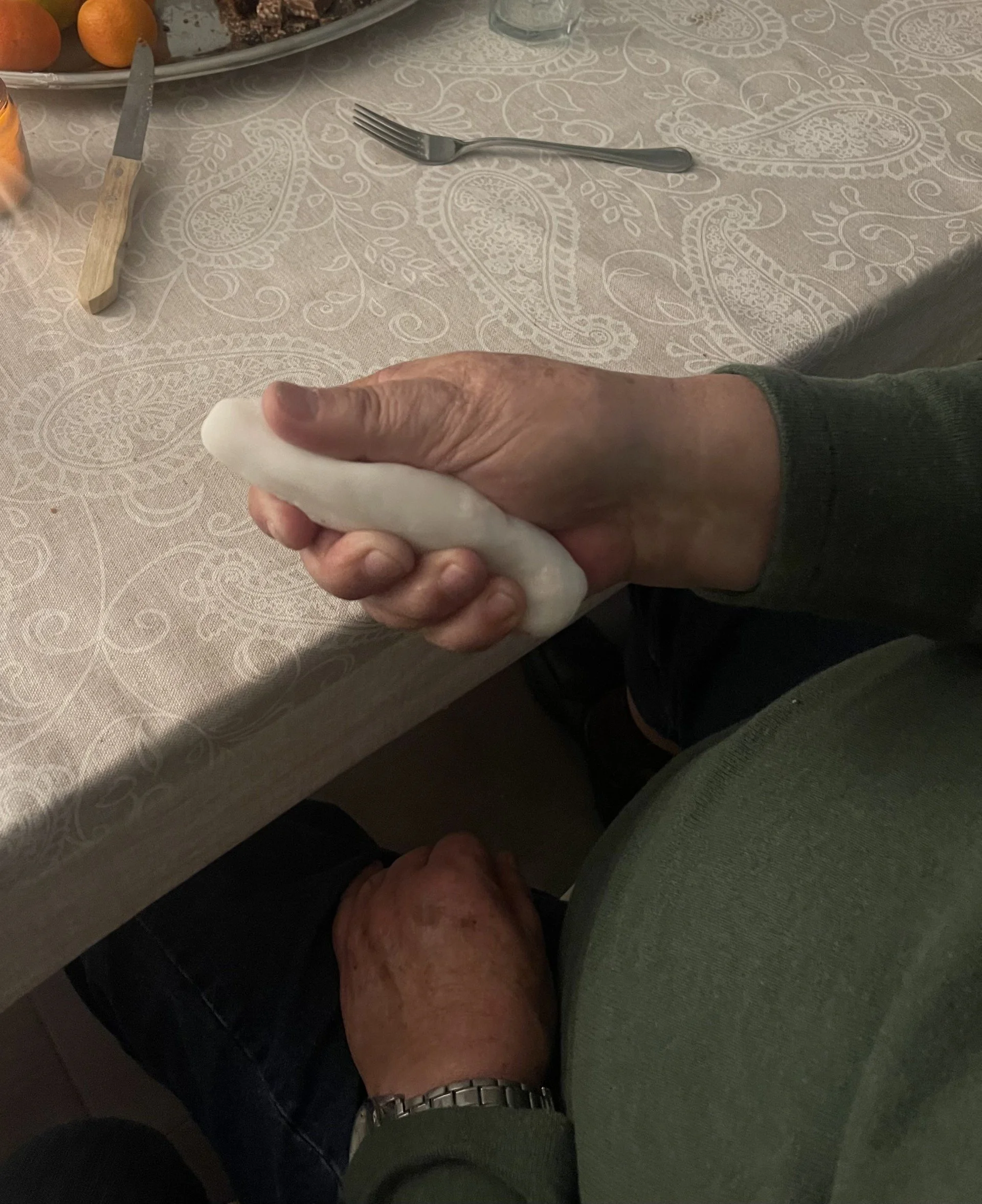
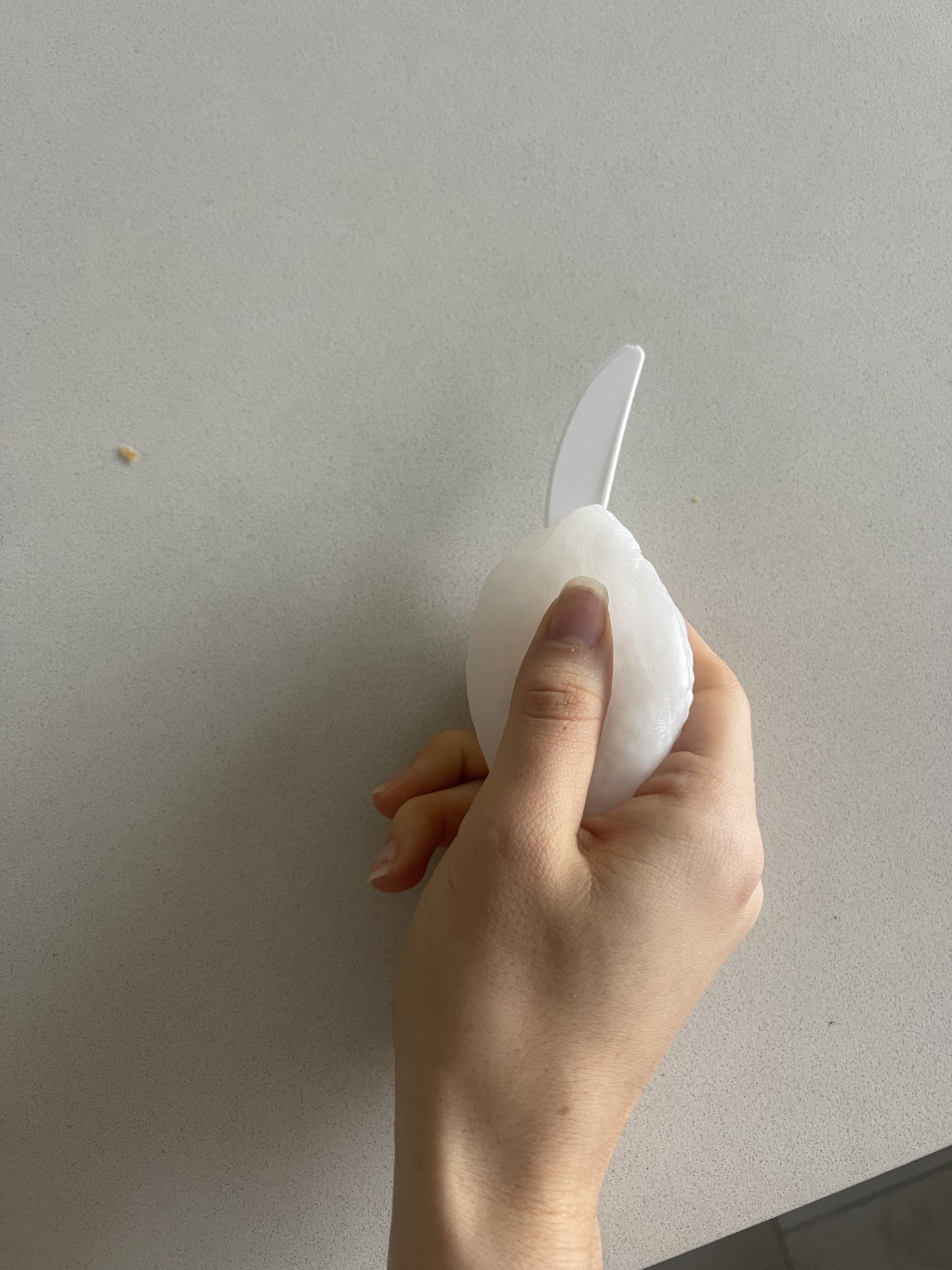
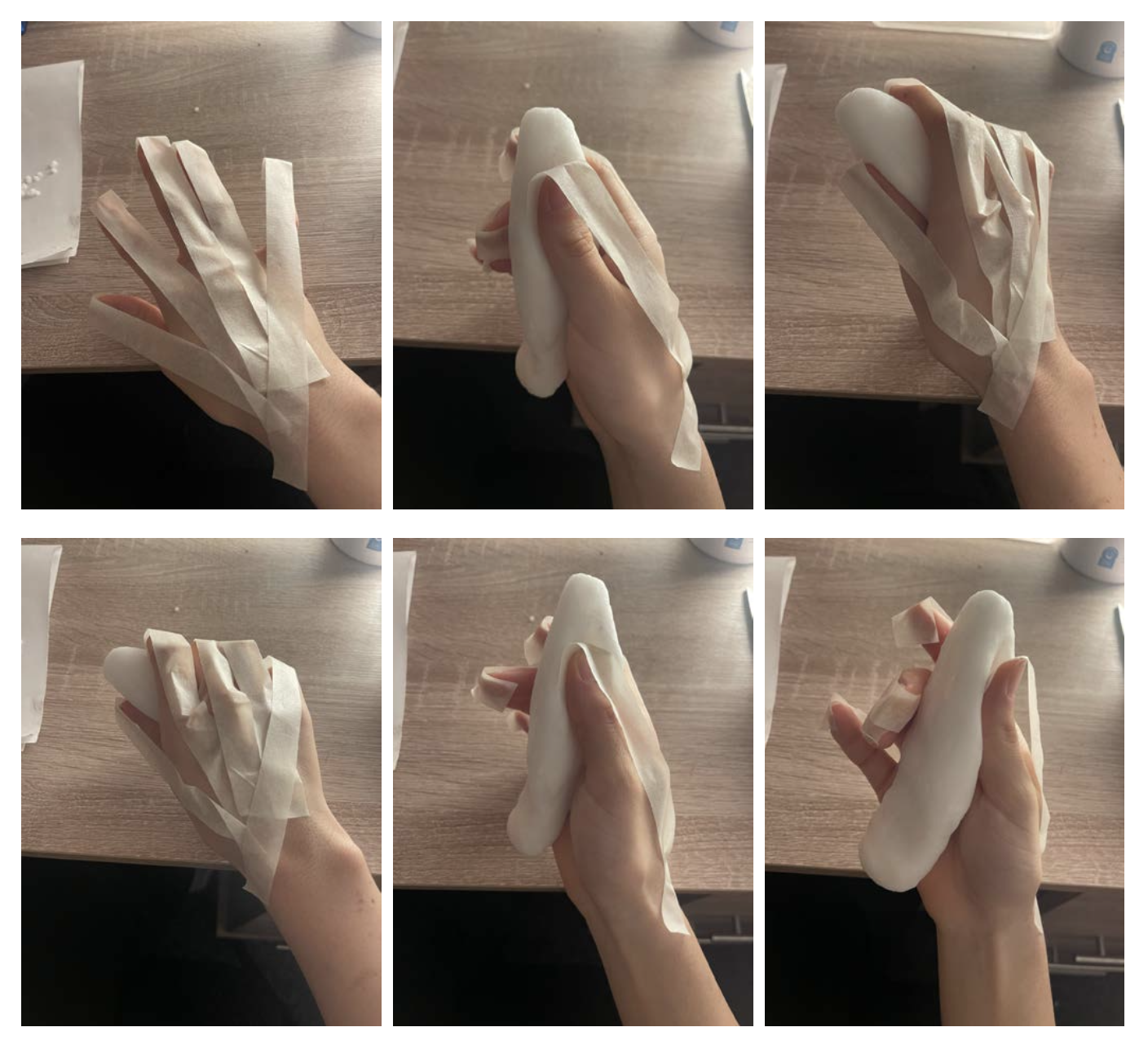
The outcome was a set of ergonomically designed cutlery tailored to users with arthritic conditions. The design process centred on continuous user involvement, with iterative testing of different handle materials, thicknesses, and angles to identify what felt most comfortable and intuitive to use.
Anthropometric data and ergonomic principles informed the handle proportions and geometry, while material testing explored softer, tactile finishes to reduce pressure on the joints. The final design aims to minimise required grip force and wrist movement, making eating a more comfortable and dignified daily experience for the user.